
Do Photographers Give Print Rights for Weddings?
Your wedding photographs should not stay hidden on a hard drive. They belong in the frames you pass each morning, the album your parents reach for, and the prints you share with the people who were there. But do photographers give print rights? Many do, but the answer depends on the photographer, the package, and the language in your contract.
For engaged couples, the distinction matters. A print release can make it easy to create meaningful keepsakes from your finished gallery. It is also different from owning the photographs themselves. Knowing which is which before you book helps you avoid surprises after the wedding.
What Print Rights Mean for Wedding Photos
A print release, sometimes called a print license or personal-use license, gives you permission to print your delivered wedding images for personal use. In practical terms, that often means you can download high-resolution files from your online gallery and order prints, enlargements, albums, holiday cards, or canvases from the print lab of your choice.
That freedom is valuable when you want to make the images part of everyday life. You may want a framed portrait for your home, duplicate prints for grandparents, or a small collection of images for a keepsake album. A personal print release makes those choices yours.
The exact terms can vary. Some photographers provide a print release with every wedding collection. Others include it only with certain packages or offer it as an add-on. Some may allow printing through their gallery but not outside labs. None of these approaches is automatically better, but the policy should be clear before you sign.
At Jason Kim Photography, wedding packages include professionally edited high-resolution images and print release rights, so couples can enjoy their photographs as more than digital files. The goal is simple: give you polished images and a clear path to preserving the moments that will wow your heart tomorrow.
Print Rights Are Not Copyright Ownership
This is the point that causes the most confusion. When photographers give print rights, they are usually giving you a license to use the images personally. They are not transferring copyright.
Under U.S. copyright law, the photographer generally owns the copyright to photographs they create. That ownership allows the photographer to protect the work, control commercial use, and maintain the integrity of the images. A couple can have broad freedom to print and share photos while the photographer still retains copyright.
For most wedding clients, this arrangement is exactly what they need. You can print your images for your home, send announcements, share favorites with family, and post them online. The photographer remains the creator and rights holder of the work.
Copyright ownership would be a much broader transfer. It could give a client the right to sell the photographs, license them to a business, alter them for commercial use, or submit them for publication without the photographer's approval. That is not a standard expectation in wedding photography and, when available, typically comes with a very different agreement and investment.
What You Can Usually Do With a Print Release
Every contract should control, but a typical personal print release permits you to print images for yourself, family, and friends. You can usually choose the size, format, and print provider that fit your plans.
You may also be allowed to share images on personal social media accounts. When posting, it is thoughtful to credit your photographer when possible, especially if a friend asks who captured the images. More importantly, avoid applying heavy filters, changing colors, or using automated edits that alter the photographer's finished work. The final edit is part of the visual story you hired them to create.
A print release often supports personal projects such as a wedding album, thank-you cards, framed wall art, and gifts for loved ones. It gives you flexibility without requiring you to request permission for every order.
What a Personal Print Release Usually Does Not Cover
Personal rights have boundaries. You generally cannot sell the images, use them to promote a business, submit them to a publication, or give a vendor permission to use them in advertising without written approval from the photographer.
This can become relevant after the wedding. A florist, venue, planner, or dress designer may ask to share your favorite photograph on their website or social channels. Their request is understandable, but it is commercial or promotional use. Direct them to your photographer so the appropriate permission can be arranged.
The same applies if you own a business and want to use a wedding photo in marketing. Even if you are pictured in the image, a personal print license does not automatically cover that use. A quick conversation before the image is posted can protect everyone involved.
Why High-Resolution Files Matter Alongside Print Rights
Print rights are most useful when paired with high-resolution, professionally edited files. A low-resolution image may look fine on a phone but become soft, pixelated, or disappointing when enlarged for a wall print.
High-resolution files give a quality print lab the information it needs to produce detailed images with accurate color and a clean finish. Professional editing also matters. Your photographer has already refined exposure, skin tones, color balance, and the overall consistency of the gallery so the photographs feel cohesive from one chapter of the day to the next.
Still, not all print labs produce the same result. A discount lab may be convenient, but its paper, color calibration, cropping options, and quality control can vary. For an important large-format piece, ask your photographer whether they offer prints or can recommend the best way to order through the gallery. The convenience of printing anywhere is appealing, while photographer-provided products may offer more predictable color and craftsmanship.
Questions to Ask Before You Book
You do not need to turn your consultation into a legal interview. A few clear questions will tell you what you need to know.
Ask whether high-resolution edited files are included, whether you will receive a written print release, and whether you can use a print lab of your choice. Also ask how images are delivered, how long the gallery will remain available, and whether the photographer offers heirloom albums or professional prints.
It is also wise to ask about social sharing and vendor requests. If you know your venue or planner may want images afterward, understanding the photographer's process ahead of time keeps communication easy after the celebration.
Read the contract rather than relying only on a package description. A good agreement should explain what is delivered, when it will be delivered, what personal use is permitted, and who owns the copyright. Clear terms are not cold or complicated. They are one of the ways a professional photographer creates a dependable experience for couples.
Choosing What to Print After the Wedding
Once your gallery arrives, it can be tempting to save every image and postpone printing. Start with the photographs that bring you back to the feeling of the day: the quiet moment before the ceremony, your parents' expressions, the laughter during speeches, or the first minutes of dancing together.
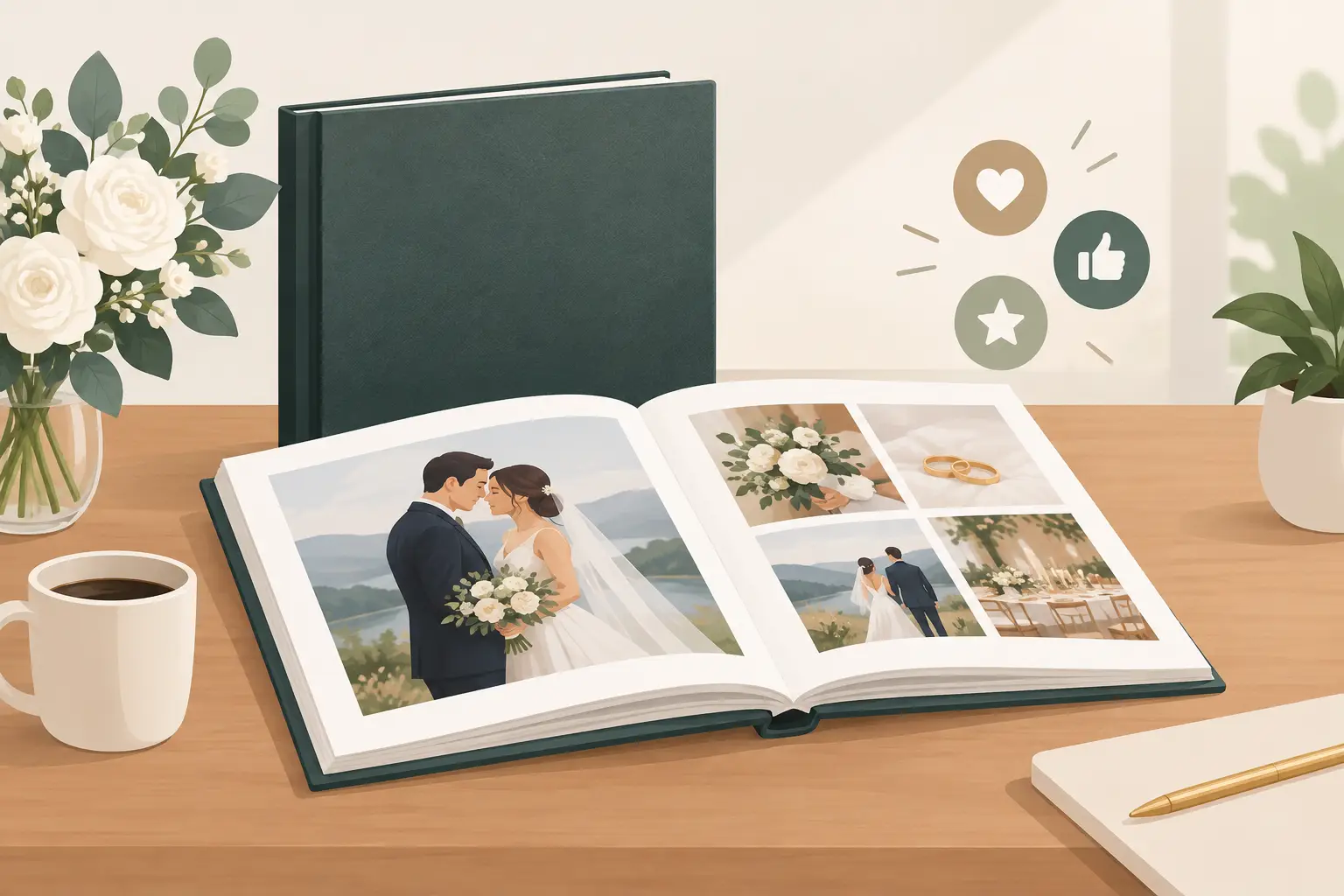
Choose one or two statement images for your home, then consider a collection of smaller frames that tell the fuller story. An album gives your wedding a permanent place beyond a screen, especially for the candid moments that deserve to be revisited slowly. Prints also make deeply personal gifts for parents and grandparents who may not scroll through an online gallery often.
Your wedding photographs were created to carry emotion forward. A clear print release gives you the freedom to turn that emotion into something you can hold, display, and return to for years to come.


Comments