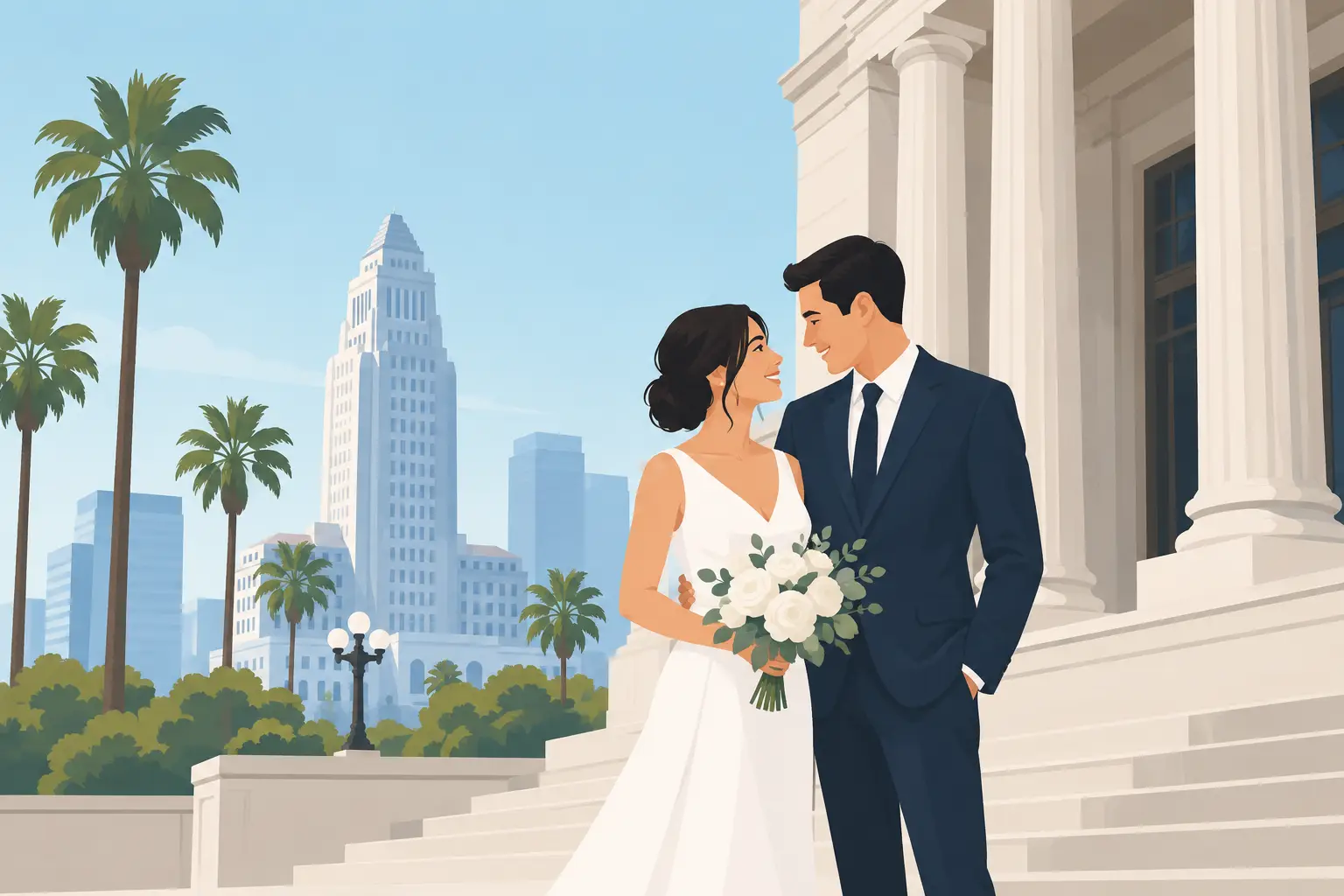
Los Angeles Courthouse Wedding Photography
A courthouse wedding can last only a few minutes, yet it often holds the kind of emotion couples remember most clearly: a hand squeeze before the vows, a parent smiling through tears, the instant you are pronounced married. Los Angeles courthouse wedding photography is about giving that intimate moment the care it deserves, without making a simple day feel overproduced.
For many couples, a civil ceremony is intentional. Maybe you are planning a larger celebration later, keeping the guest list small, or choosing a marriage that feels focused on the two of you. Whatever brings you to the courthouse, your photographs should preserve the sincerity of the day, along with the people and details that made it yours.
Why a Courthouse Wedding Still Deserves Thoughtful Photography
A smaller ceremony does not mean fewer meaningful moments. In fact, the quieter pace of a courthouse wedding can make room for them. There is less pressure to perform, fewer timelines competing for attention, and more opportunity to be present with the people closest to you.
The photography approach should reflect that. Rather than treating the courthouse as a quick stop for a few posed pictures, a thoughtful photographer documents the full feeling of the experience. That can include arriving together, signing paperwork, greeting family outside, sharing a private embrace after the ceremony, and stepping away for portraits while the excitement is still fresh.
The best images balance documentary moments with gentle direction. You should not have to wonder where to stand, what to do with your hands, or whether everyone is included in the family photos. A photographer can offer calm, clear guidance while leaving room for the natural reactions you will want to remember later.
Planning Los Angeles Courthouse Wedding Photography
Los Angeles offers several civil ceremony locations and nearby portrait possibilities, each with its own character, rules, and scheduling realities. Before building your photography plan, confirm your ceremony location, appointment time, guest allowance, identification requirements, and current photography policies directly with the appropriate county office. Courthouse procedures can change, and security or ceremony staff may limit where a photographer can stand during the actual service.
That does not mean your images have to feel restricted. It simply means the plan should be realistic. A photographer who understands intimate weddings can work efficiently, anticipate the important moments, and build a portrait window around the ceremony rather than relying on access that may not be available.
Choose a Ceremony Time With Light in Mind
If portraits are part of your vision, timing matters. Midday courthouse appointments are often practical, but Southern California sun can be bright and contrast-heavy. A later appointment may offer softer light afterward, especially if you plan to travel to a nearby outdoor location.
Still, the right time depends on your priorities. An early appointment can mean fewer crowds, a calmer start, and time for a lunch or dinner celebration afterward. A late-afternoon appointment can create a more romantic portrait experience. If your courthouse appointment is fixed, a skilled photographer can find flattering shade, architectural lines, and clean backgrounds at almost any hour.
Build in More Time Than the Ceremony Takes
The civil ceremony itself may be brief, but the day is not just the moment you exchange vows. Plan time for parking, security screening, paperwork, waiting for your appointment, and gathering guests afterward. Rushing is one of the quickest ways to lose the ease that makes courthouse weddings so special.
For a simple, well-paced experience, consider allowing time before the ceremony for a few portraits together and time afterward for family photographs, candid congratulations, and newlywed portraits. If you are adding a second location, factor in Los Angeles traffic, parking, and a comfortable buffer. A beautiful plan is only useful if it gives you room to enjoy it.
Dress for the Day You Want to Remember
Courthouse wedding style can be minimal, fashion-forward, traditional, or entirely your own. A tailored suit, a short white dress, a floral bouquet, meaningful jewelry, or a favorite pair of shoes can bring personality into the photographs without requiring a large event.
Consider how your clothing will move as you walk, sit, hug, and stand outside. Courthouses can involve stairs, waiting areas, and a little walking between parking and the ceremony room. If you are wearing heels or a longer dress, a comfortable pair of shoes for travel can make the experience much easier. The goal is not perfection. It is feeling confident enough to stay present.
Making Space for the People Who Matter
A courthouse wedding often brings together a small group of people with a large place in your story. Even if your ceremony is just the two of you, you may want portraits with witnesses, parents, children, siblings, or close friends after you are married.
A short family-photo plan helps keep this part easy. Let your photographer know in advance who will be present and whether there are any relationships or moments that deserve special attention. Maybe your grandmother is attending, your children are part of the ceremony, or your best friend has supported your relationship from the beginning. Those details help shape images that feel personal rather than generic.
If you are eloping without guests, the same care applies. Your photographs can still tell a complete story through quiet interactions, your surroundings, and portraits that show the genuine relief and joy of finally being married.
Extend the Story Beyond the Courthouse
The courthouse is where you make it official. It does not have to be the only setting in your wedding gallery. Many couples choose a nearby location for portraits or continue the coverage into a meaningful celebration. A favorite neighborhood, an elegant hotel, a park, a restaurant where you had an early date, or a dinner with family can add another layer to the day.
This is especially valuable if the interior ceremony space has limited photography access or a more utilitarian look. Your portraits can still have the warmth, movement, and visual variety of a larger wedding day. The key is choosing a location that feels connected to you, not selecting one simply because it is popular.
A post-ceremony meal also creates some of the most natural photographs of the day. Toasts, shared plates, laughter, and the first quiet moment when you can look at each other and say, “We did it,” often become favorites. Coverage can be customized around the parts of the day you want to hold onto.
What to Look for in a Courthouse Wedding Photographer
Courthouse weddings require a photographer who is both observant and organized. The day moves quickly, and there may be little room to recreate a moment once it has passed. Look for someone who can work discreetly around courthouse staff and guests, communicate clearly before the wedding, and make portraits feel relaxed even when the location is busy.
It also helps to understand what you will receive after the day. Professionally edited, high-resolution images give you the freedom to print, share, and revisit your memories for years. An online gallery makes it simple to send photographs to loved ones who could not attend, while a keepsake presentation gives the experience a more lasting place in your home.
At Jason Kim Photography, the focus is on creating images that feel polished without losing the honest emotion of the moment. Whether your courthouse wedding is a private two-person ceremony or the beginning of a larger celebration, coverage can be shaped around your timeline, your priorities, and the people you want beside you.
Your wedding day does not need a grand ballroom to be deeply felt. Give yourselves time to breathe, choose details that reflect who you are, and let the photographs preserve the joy that arrives when the paperwork is signed and your next chapter begins.


Comments